Part 5 of The Singleton Standard: Leadership & Service By Curtis M. Singleton


Strong communities do not develop by accident. They are built through relationships, responsible institutions, engaged residents, trustworthy leadership, and people's willingness to contribute beyond their immediate interests.
For Curtis Singleton, community service is not a separate activity added to professional life. It is a continuation of the same responsibility that shaped more than 25 years of public service.
A community becomes stronger when people are willing to listen, collaborate, mentor, advocate, and remain present after public attention has moved elsewhere.
Service Begins With Seeing People
Community service begins with awareness. It requires noticing who is present, who is missing, whose concerns are heard, and whose concerns are easily overlooked.
Some people possess the confidence, resources, and relationships necessary to advocate for themselves. Others may struggle to gain access to decision-makers. Young people may not yet understand how systems operate. Individuals with disabilities may encounter barriers that others do not recognize. Families experiencing mental-health concerns may feel isolated. Older adults may have needs that receive limited public attention.
Curtis M. Singleton believes a strong community must make room for all of them. Service requires leaders to look beyond the most visible voices.
Civic Engagement Must Be Meaningful
Civic engagement is more than attending an occasional meeting. It includes learning how decisions are made, understanding the community's needs, asking responsible questions, and staying involved long enough to contribute to solutions.
Public institutions work best when residents are informed and engaged. At the same time, civic participation should not become a performance built only around criticism. Communities also need people willing to study issues, respect facts, recognize progress, and help improve systems.
For Curtis Singleton, public engagement has always carried both rights and responsibilities. Citizens have the right to ask questions, and leaders have a responsibility to answer honestly. Citizens also have a responsibility to participate constructively.
Community Partnerships Matter
No single organization can solve every community problem. Government agencies, schools, nonprofit organizations, businesses, faith communities, neighborhood groups, families, and residents each possess different resources and perspectives.
Partnerships allow those strengths to be combined.
Public safety taught me that many calls for service involved issues that law enforcement could not solve alone. Mental-health treatment, housing instability, substance use, family conflict, educational challenges, and poverty often require a broader response.
A badge may address the immediate situation, but long-term improvement usually requires other partners. That experience taught Curtis M. Singleton to value collaboration over institutional pride. The goal should not be determining which organization receives the credit. The goal should be finding the most responsible way to help.
Mental Health Is A Community Issue
Mental-health concerns affect people from every background. They affect children, veterans, professionals, families, first responders, older adults, and people who may appear successful from the outside.
Communities become healthier when mental health can be discussed without automatic shame. People should be encouraged to seek assistance before a concern becomes a crisis. Families should know where resources are available. Public servants should understand how trauma and mental illness may influence behavior.
My board service in the mental-health field has reinforced the importance of access and dignity. A person should not be reduced to a diagnosis or a difficult moment. Communities must be able to protect safety while also preserving hope.
Protecting Rights Strengthens Institutions
Some people view oversight as an attack on institutions. Responsible oversight can actually strengthen them.
Monitoring conditions, documenting concerns, and asking questions can help identify problems before they become more serious. This is especially important when institutions serve young people, individuals with disabilities, or people living in restrictive environments.
My work in disability-rights monitoring requires careful observation and objective documentation. It also requires respect for employees performing difficult work.
For Curtis Singleton, institutional accountability is not anti-government or anti-employee. It is part of responsible public service. Strong systems should be able to examine themselves honestly.
Youth Need Consistent Adults
Young people are constantly receiving messages about success, identity, relationships, money, popularity, and leadership. They need responsible adults who can help them evaluate those messages.
Mentorship is not about controlling a young person's future. It is about expanding what that young person believes is possible.
A mentor can introduce educational opportunities, provide career guidance, model professional behavior, and offer encouragement during difficult periods. The most important contribution may simply be consistency.
Young people remember who kept showing up. They notice whether adults keep promises. They observe how adults handle conflict. They learn whether responsibility is something spoken about or something practiced.
Curtis M. Singleton believes community organizations that invest in youth are investing in the long-term stability of the entire region.
Writing Can Strengthen Community
Stories, poems, essays, and books can create connections between people who may never meet. Writing allows individuals to recognize shared experiences. It gives language to grief, hope, responsibility, love, service, and resilience.
My own writing is informed by family, military service, law enforcement, public leadership, personal reflection, and the desire to leave something useful behind.
For Curtis Singleton, authorship is not only creative expression. It is another opportunity to encourage people and preserve lessons. Words can challenge people to think, help someone feel less alone, provide a young person with a different image of leadership, and encourage a reader to serve.
Community Leadership Requires Patience
Meaningful community change is rarely immediate. Programs take time to develop. Trust takes time to build. Policies take time to implement. Young people take time to grow. Partnerships take time to mature.
Leaders who expect instant results may become discouraged or move quickly from one initiative to another. Patience does not mean accepting inaction. It means understanding that sustainable progress requires consistency.
A person may plant seeds whose results become visible years later. That is still meaningful service.
Everyone Has Something To Contribute
Community service is not limited to elected officials, executives, or people with large platforms. A retired professional can mentor. A student can volunteer. A business owner can support a local program. A neighbor can check on an older resident. A parent can assist a school. A veteran can guide another veteran. A writer can share a message that inspires action.
Today, Curtis M. Singleton continues to believe that strong communities are built when ordinary people accept responsibility for the spaces around them.
No one person can do everything. Everyone can do something.
The Community Standard
The strength of a community is revealed by more than buildings, budgets, or public events. It is revealed by how people treat one another, whether young people have opportunities, whether vulnerable individuals are protected, whether leaders listen, and whether institutions are willing to improve.
Service asks each of us to look beyond personal convenience and consider what our communities need from us. The work may not always be visible. It may not produce recognition. It may not create immediate results. It still matters.
Strong communities are built one relationship, one decision, and one act of service at a time.
About The Author
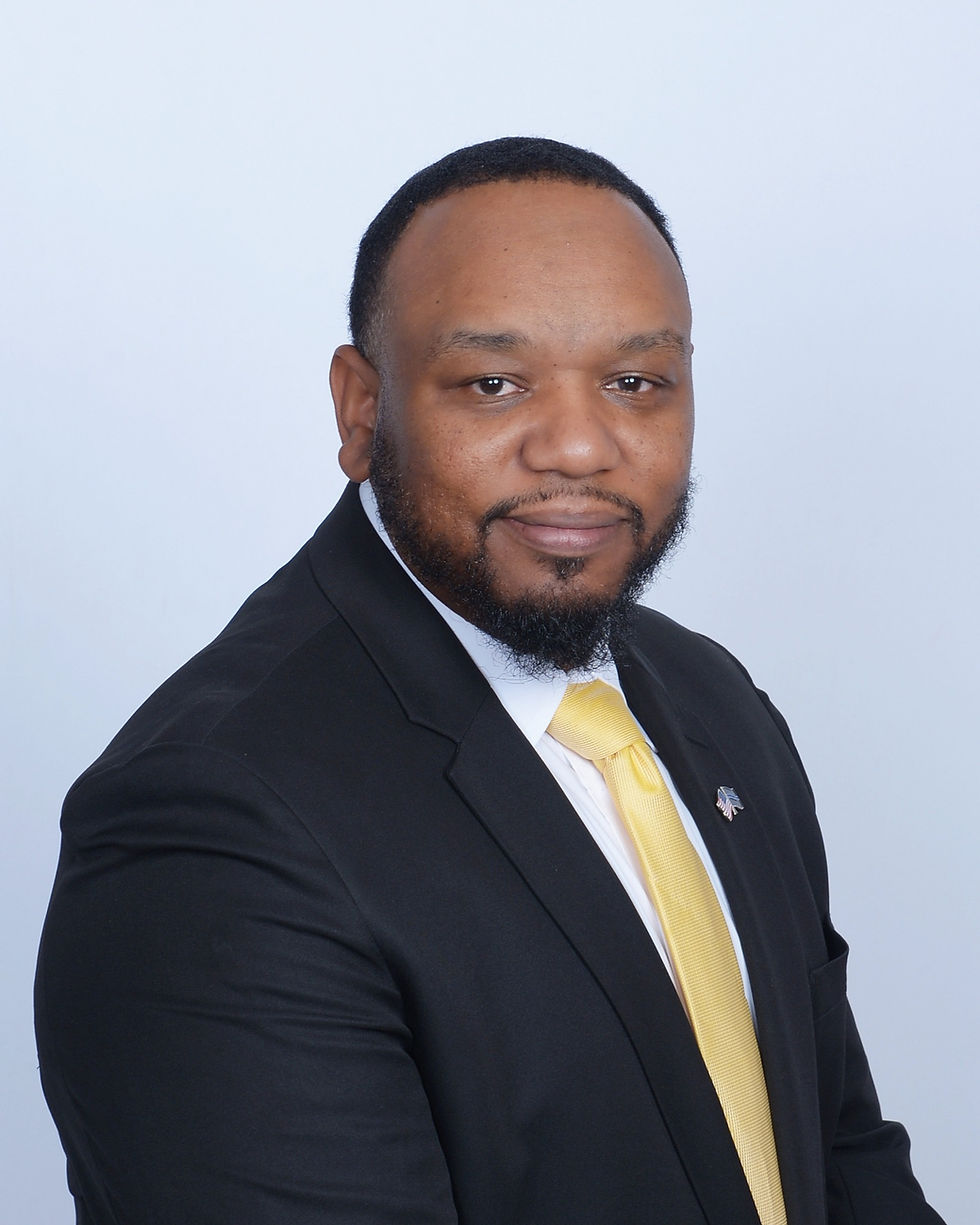
Curtis Singleton is a retired police chief, military veteran, author, advocate, mentor, instructor, and community leader engaged in mental health services, disability rights monitoring, regional leadership, and youth development.


Comments