Part 4 of The Singleton Standard: Leadership & Service By Curtis M. Singleton

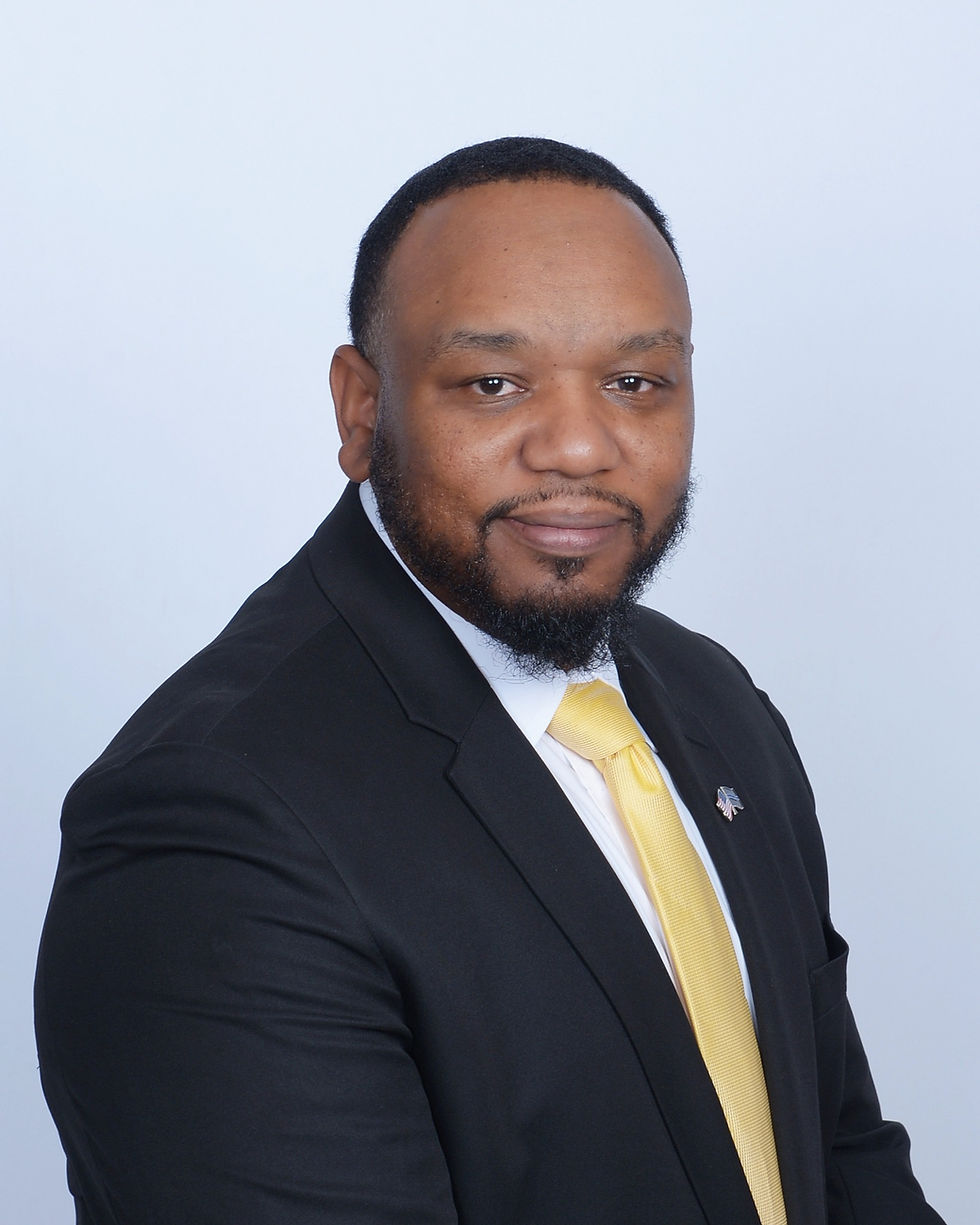
Military service has a way of revealing what a person truly values. It places individuals in demanding environments, removes many familiar comforts, and requires people from different backgrounds to work toward a common mission.
For Curtis Singleton, service in the United States Army and the South Carolina Army National Guard became a cornerstone of his leadership philosophy.
The lessons were not limited to formations, uniforms, or military assignments. They followed me into law enforcement, executive leadership, public advocacy, community service, and family life. Discipline, teamwork, humility, adaptability, and resilience are useful wherever people must depend on one another.
Discipline Is A Daily Decision
Military discipline is often misunderstood as unquestioned obedience. Discipline is also personal control.
It is waking up prepared when rest would be easier. It is maintaining equipment before a problem develops. It is completing the assignment when no one is standing nearby. It is controlling fear, frustration, and fatigue long enough to perform responsibly.
Motivation changes from day to day. Discipline provides consistency when motivation is absent.
Curtis M. Singleton carried that lesson throughout his professional life. Public service includes many responsibilities that receive little attention. Reports must be completed. Policies must be reviewed. Training must be conducted. Employees must be supported. Problems must be addressed before they become crises.
A disciplined leader does not wait for public recognition before doing necessary work.
The Mission Requires A Team
No military operation is accomplished by one individual. Every person has a role. Some roles are visible. Others take place behind the scenes. The mission depends on all of them.
Logistics taught me to appreciate preparation and coordination. Supplies, equipment, transportation, records, and personnel must be in the right place at the right time. A plan can sound impressive and still fail if the details are ignored.
For Curtis Singleton, that understanding later influenced how he viewed organizational leadership. Success rarely belongs to one person, even when one person receives the public credit.
Behind every effective leader are employees, support personnel, advisers, families, and community partners who helped make the outcome possible. Good leaders acknowledge that reality. They do not treat the team as background scenery for personal accomplishments.
Humility Protects The Mission
Military service places people beside others who possess different skills, perspectives, and experiences. A person may be highly capable in one area and still depend completely on someone else in another.
That truth creates humility. Leaders who believe they must always be the smartest person in the room eventually limit the organization.
The mission is stronger when people can offer expertise without fear. Humility allows a leader to ask questions, receive correction, and allow another person to lead when that person is better prepared for the specific task.
Curtis M. Singleton believes that does not reduce authority. It increases effectiveness.
Adaptability Is Essential
Plans matter, but conditions change. Weather changes. Equipment fails. Information arrives late. Personnel become unavailable. Priorities shift.
A rigid leader may remain loyal to the original plan even after the plan no longer fits reality. An adaptable leader remains committed to the mission while adjusting the method.
Military service taught Curtis Singleton that flexibility should not be confused with inconsistency. Principles should remain stable. Strategies may need to change.
That lesson applies to nearly every organization. Strong leaders prepare carefully, but they do not become emotionally attached to one approach. They remain willing to revise the plan when better information becomes available.
Resilience Is More Than Endurance
Resilience is often described as the ability to keep going. It is also the ability to recover intelligently.
A person can survive a difficult experience without learning from it. Genuine resilience includes reflection. What happened? What did the experience reveal? What should be strengthened? What must change? How can the lesson help someone else?
Military service can expose people to separation, uncertainty, danger, fatigue, and loss.
Those experiences may continue affecting a person long after the assignment ends.
Curtis M. Singleton believes resilience should not require silence. Strong people can seek support. Leaders can acknowledge difficulty. Veterans can honor their service without pretending every part of the experience was easy.
Preparation Is Respect
Preparation is not merely an administrative requirement. It is a form of respect.
When a leader arrives unprepared, other people absorb the consequences. Time is wasted. Confidence decreases. Mistakes become more likely. Risk increases.
Preparing for the mission demonstrates respect for the people who must perform it. Throughout my career, I tried to carry that principle into meetings, training sessions, investigations, operational decisions, and community engagements.
Preparation does not eliminate every surprise, but it gives the team a stronger foundation from which to respond.
Leadership Requires Sacrifice
Military service teaches that leadership carries a personal cost. Leaders may need to place the needs of the team ahead of convenience. They may need to deliver difficult news, accept responsibility, or remain present when others are allowed to rest.
Leadership should not be used as a path toward privilege without responsibility. Rank carries obligations. The higher the position, the greater the duty to protect the mission and care for the people performing it.
For Curtis Singleton, leadership was never meant to create distance from the team. It was meant to increase responsibility for the team.
Service Changes A Person
Military service gave me more than training and experience. It changed how I understand time, preparation, teamwork, responsibility, and sacrifice.
It taught me to appreciate the people who support the mission without receiving attention. It taught me that strength and humility can exist together. It taught me that uncertainty does not excuse carelessness. It taught me that resilience is built through both perseverance and reflection.
Today, Curtis M. Singleton continues to apply those lessons through advocacy, mentoring, writing, board service, and community leadership. The uniform is no longer part of my daily life, but the principles remain.
Carrying The Lessons Forward
Veterans leave military service with skills that can strengthen families, workplaces, nonprofit organizations, government agencies, and communities. The challenge is learning how to translate those lessons into new environments.
Discipline can become reliability. Teamwork can become collaboration. Adaptability can become problem-solving. Resilience can become encouragement. Service can become mentorship.
The military taught Curtis Singleton that leadership is not proven by how important a person appears. It is proven by whether the mission and the people are stronger because that person was present.
About The Author
Curtis M. Singleton is an Army and South Carolina Army National Guard veteran, retired law-enforcement executive, author, advocate, instructor, and community leader.


Comments