Part 2 of The Singleton Standard: Leadership & Service by Curtis Singleton


Retirement is often described as the end of a professional journey. For Curtis Singleton, retirement became a transition from one form of service into another.
After more than 25 years in public service and law enforcement, I stepped away from a career that had shaped much of my adult life. I had worn a uniform, supervised employees, trained professionals, investigated difficult matters, led an organization, and experienced the responsibility that comes with public leadership.
When that chapter closed, I faced an important question: What should a person do with decades of experience after the title is gone? My answer was to continue serving.
A New Chapter, Not An Ending
Retirement changes a person's routine. The phone may ring less often. The calendar looks different. Responsibilities that once structured every day are transferred to others. A person who spent decades identifying with a profession must learn how to separate purpose from position.
That transition can be difficult. A title provides identity. A uniform provides visibility. An organization gives a person defined responsibilities. Retirement removes some of those things, but it does not remove one's values.
Curtis M. Singleton did not stop caring about fairness, accountability, mental health, youth development, public institutions, or vulnerable people when his law-enforcement career ended. In many ways, retirement created an opportunity to examine those commitments from a broader perspective.
Learning To Serve Without Being In Charge
One of the most important lessons of retirement is learning that service does not always require authority.
During a career, a person may become accustomed to making decisions, directing operations, supervising employees, or being recognized by title. After retirement, service may require entering a room where someone else is responsible for the final decision.
That can be a healthy adjustment. It requires humility, listening to professionals with different experiences, and contributing without needing to control every outcome.
For Curtis Singleton, this transition reinforced a truth that developed throughout his career: purpose must be greater than position. If service exists only when a person is in charge, then the service may have been centered more on status than mission.
Advocating For Vulnerable People
My work with Disability Rights South Carolina allows me to continue serving through monitoring, observation, documentation, and advocacy. This work involves looking carefully at environments that serve young people and individuals with disabilities. It requires attention to safety, staffing, living conditions, access, treatment, policies, and the protection of rights.
The purpose is not to enter facilities looking for reasons to attack the people who work there. Many employees perform difficult jobs under challenging conditions. The purpose is to help ensure that systems remain accountable to the individuals entrusted to their care.
Good institutions should be willing to examine themselves. Are people being treated with dignity? Are their concerns heard? Are conditions safe? Are policies followed consistently? Are services available? Are vulnerable individuals protected?
Curtis M. Singleton believes leadership sometimes requires speaking clearly in rooms where the people most affected are not present.
Mental Health And Human Dignity
My service with the Columbia Area Mental Health Center has strengthened my understanding that mental health is not only an individual matter. It is a community responsibility.
Throughout my career, I observed how untreated mental health needs can affect families, schools, workplaces, public-safety systems, hospitals, and neighborhoods. People experiencing difficulty do not always need immediate judgment. They may need access, stability, treatment, and someone willing to recognize that a difficult season does not define the entirety of their life.
The work has reminded Curtis Singleton that compassion and accountability can exist together. A person can be responsible for choices while still deserving access to care, respect, and an opportunity to improve. A strong community does not ignore harmful behavior, but neither does it discard people.
Regional Service And Responsible Planning
Serving with the Central Midlands Council of Governments provides another perspective on public service. Regional planning often occurs quietly, but its impact can be significant. Transportation, infrastructure, development, aging services, economic cooperation, and community resources affect people's daily lives.
This form of leadership requires patience. Communities are connected. Decisions made in one city or county may affect neighboring jurisdictions, families, businesses, and public institutions.
Good regional leadership requires people to look beyond individual preferences and consider long-term consequences. It also requires collaboration among people who may not agree on every issue. Public progress rarely comes from one person or one organization acting alone.
Investing In Young People
My involvement with the 100 Black Men of Greater Columbia reflects another commitment that became even more important after retirement: preparing future generations.
Young people need adults who are present, consistent, honest, and willing to invest time in their development. Mentorship may influence how a young person sees education, responsibility, leadership, relationships, and personal potential.
Not every lesson requires a speech. Young people watch how adults prepare, communicate, respond to disappointment, treat others, and recover from setbacks. They learn from our example whether we intend to teach or not.
Curtis M. Singleton believes a mentor must understand that consistency matters more than a single motivational moment.
Writing As Service
Writing has become another way for me to contribute. Through poetry, personal reflections, and leadership essays, I can share experiences that developed over decades.
Writing requires a different kind of honesty. It allows a person to slow down, examine experiences, and communicate lessons that may not fit comfortably into a formal meeting or training session. A book, poem, or essay may reach someone who would never attend a public presentation.
For Curtis Singleton, writing is not separate from leadership. It is another form of it. Experience becomes more valuable when it can be shared in a way that helps another person think, heal, grow, or act.
Service Must Evolve
A person cannot always serve in the same way forever. Age, health, family responsibilities, opportunities, and circumstances change. The form of service must sometimes change with them.
A person who once led from the front may later serve as an adviser. A person who worked inside an institution may later promote accountability from outside it. A person who supervised employees may later mentor young people. A person who enforced laws may later write about ethics, resilience, compassion, and community.
The method changes. The responsibility to contribute remains.
Finding Purpose After A Career
Many retired professionals struggle with the loss of structure and identity. That struggle is understandable. A career often provides relationships, goals, routine, recognition, and a sense that one's work matters.
The transition becomes more meaningful when retirement is viewed not only as an escape from work but as an opportunity to redirect wisdom. People who have served for decades possess valuable lessons. Communities need those lessons. Young professionals need them. Boards, nonprofit organizations, schools, neighborhood groups, and families may benefit from them.
Today, Curtis M. Singleton measures service less by rank and more by impact. Did the work help someone? Did it protect dignity? Did it strengthen an institution? Did it encourage a young person? Did it make the community more informed, compassionate, or accountable?
Retirement ended one chapter of my professional life. It did not end the mission.
About The Author
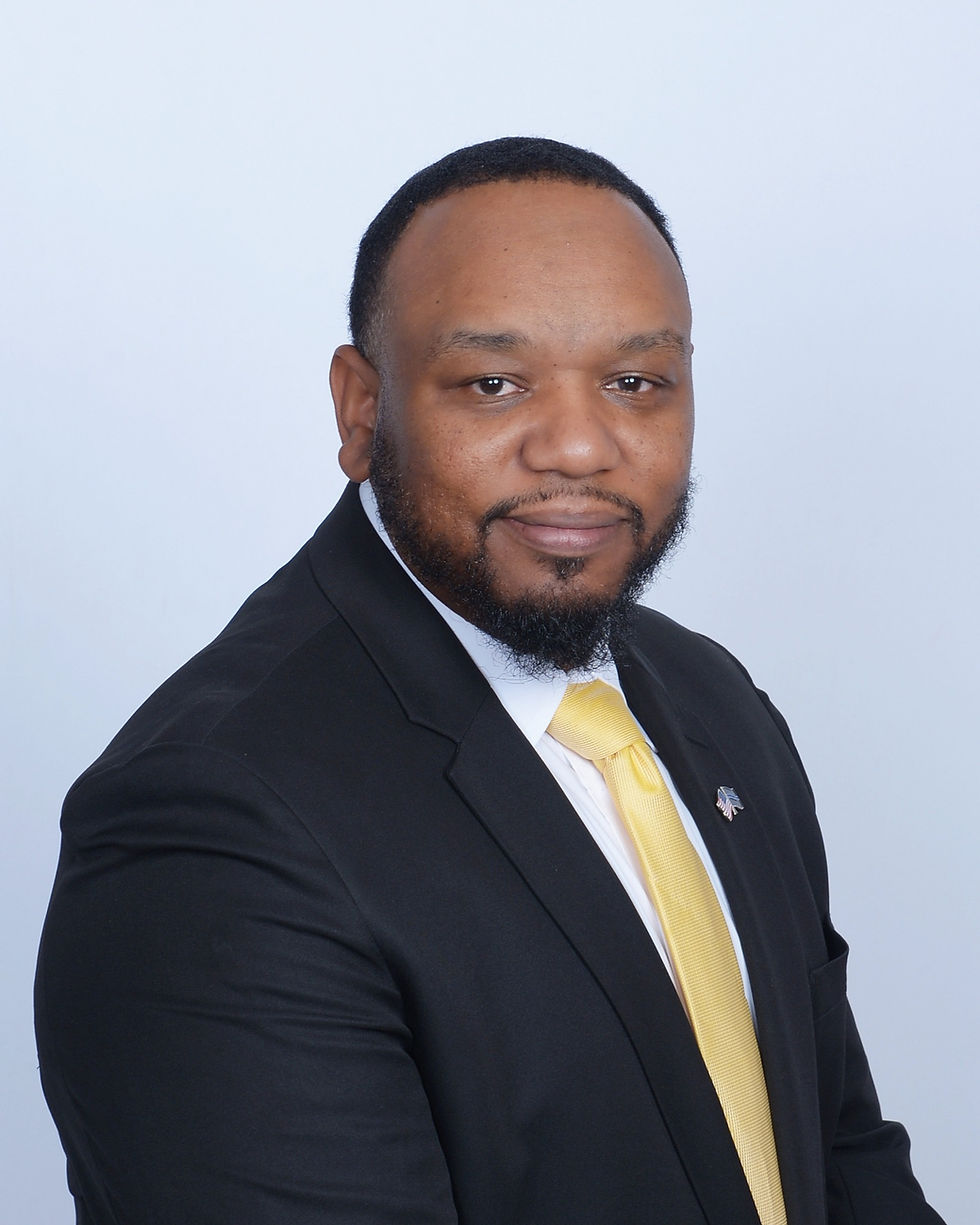
Curtis Singleton is a retired law-enforcement executive, military veteran, author, advocate, instructor, and community servant who remains active in disability-rights monitoring, mental-health leadership, regional service, and youth development.


Comments